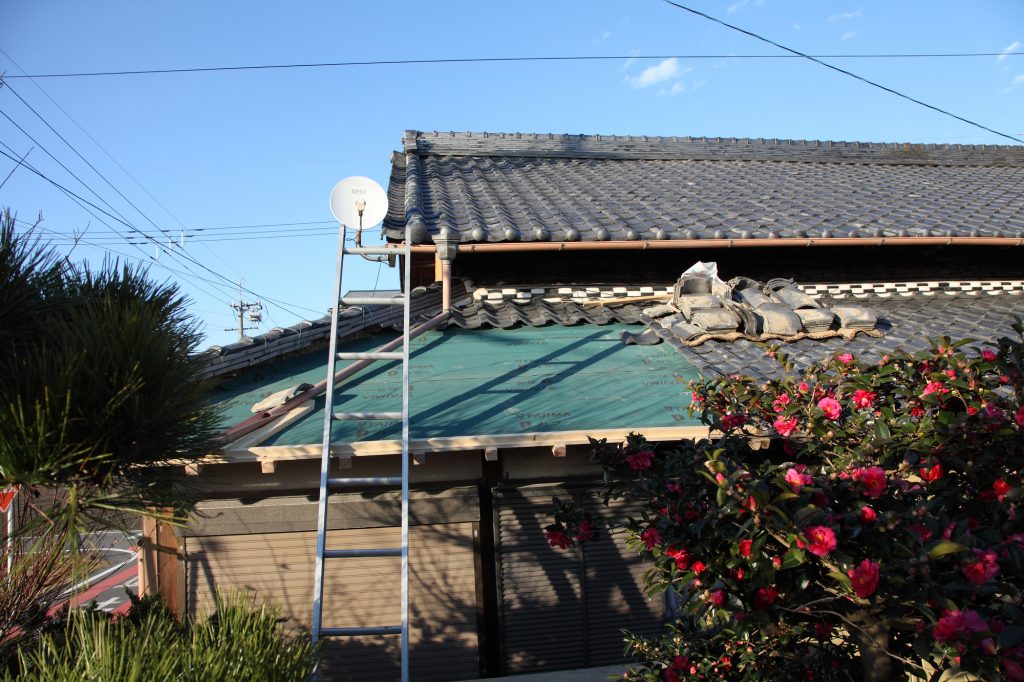
屋根のメンテナンスを行うことはとても大事なことです。
屋根のメンテナンスをしっかり行わなければ、屋根が劣化してきて雨漏りなどの症状を引き起こします。
雨漏りなどが行ってしまうと家はどんどん悪くなってきてしまうので、しっかりとメンテナンスをすることは大事になります。
メンテナンスを行うときは屋根工事会社に工事の依頼をすると思いますが、屋根工事会社を選ぶときにはいくつかのポイントがあります。
どのようなポイントで選ぶのか、わたしの知識と実際の経験をもとに紹介していきたいと思います。
・屋根工事をしてくれるところは
屋根を修理する際に重要になるのは修理を依頼する業者選びです。
屋根の修理業者にも6つのポイントがあり、工務店、リフォーム業者、塗装屋、瓦屋、板金屋、防水業者、などがあります。
工務店の場合は小規模なところから大きなものまであり、屋根の修理を扱っていますが、専門に行えるところとそうでないところがあります。
専門外のところは簡単な修理だけとなっており、複雑な工事は下請けの会社に委託することがあります。
リフォーム会社も、屋根の工事をすることができますが、得意なところと不得意なところがあります。
塗装屋の場合は、屋根の塗装を頼む際に工事も頼むことがあります。
ただ、塗装屋は塗装以外の葺き替え工事の専門では無いので、全ての工事を行うことができるわけではありません。
瓦屋は、主に日本瓦だけでなくスレート屋根材や金属系根材の葺き替えを行えるところが多いです。
塗装は専門外としているところがあります。
板金屋は、板金を用いた屋根や外壁の工事を得意とする業者です。
屋根の修理以外にも補修や雨樋の工事なども行なってくれます。
塗装工事は行うことができない場合があります。
防水業者は、雨漏りの対策や防水工事を行い、屋根の修理全般を行うこともできます。
このように工事の種類によって会社を選ぶことが大事になります。
・注意するべき会社とは
工事をする際にどの業者を選ぶかを考えることも重要なことです。
ただ、会社によっては注意しなければならない会社もあります。
まず1つ目は、突然訪問営業をしてくる業者です。
飛び込みで営業をしてくる業者は、モニターになってほしい、キャンペーンで屋根の修理を行っています、という言葉で営業をしてきます。
良心的な業者も営業をしているので、全てが悪いわけではありませんが、即けつして屋根の修理をしてもらうと、変な工事や手抜き工事をされてしまうことがあります。
屋根の工事はどんな工事でも比較的高額な費用がかかるものなので、営業できている人の話を聞くことはできても、じっくり検討してから決めるのが良いです。
2つ目は見積もり内容が不透明な業者です。
屋根修理をしてもらう際に、いくらの費用や工事の種類となっているのか見積書をもらうことができます。
ただ、見積書には分からない専門用語や内容となっているものもあるので、そのような場合しっかり質問することが大事になります。
そのような質問に対して的確に答えてくれれば問題はありませんが、曖昧に答える業者は少し注意が必要になります。
見積書に詳細が書かれておらず、工事一式などと記載されている場合も注意することが大事になります。
3つ目は契約を急かしてくる業者です。
見積もりの後に契約を急かしてくる業者は、工事の予定が多く入っているためスケジュールの調整から急かしてくる場合もあります。
ただ、契約を早くさせることで他社への検討や比較をされないようにすることもあるので、急かされている場合に安易に契約をしてしまわないようにすべきです。
4つ目は大幅に値引きしてくる会社です。
初めの見積もり金額から値引きを行うことで、お得感を出す会社もあります。
値引きをしてくれるのは良いですが、値引きが大き過ぎると工事が手抜きをされたり原材料を違うもので工事を行うなど、工事をしっかり行なってくれないことがあります。
このように4つのポイントから会社選びを行うことができます。
・優良会社を選ぶためには
屋根工事会社を選ぶために、いくつかのポイントを知っておくと優良会社と知ることができます。
まずは、しっかり現地調査を行なってくれるかどうかどうかです。
屋根修理はしっかりと調査をしていくことで、適切な対応と修理をしていくことができます。
屋根裏までしっかり見てくれる会社は信用度が高いです。
屋根裏の野次板が腐食していると、さらに追加工事をしなくてはならなくなるからです。
それを防ぐために屋根裏まで調査してくれるのは良い会社と言えます。
また、劣化状況を写真に残してくれているところも良いです。
記録を残して状況を見せてくれるならば、自分も納得して工事を任せることができます。
このようにいくつかの点を押さえておくと良いです。
・まとめ
屋根工事会社を選ぶポイントとしては、いくつかあるので、しっかりとポイントを抑えることが大事です。ネットで調べればいくらでも探せる時代ですが、まずはこちら(街の屋根やさん・千葉)のような、しっかりと情報を紹介しているような会社に依頼すれば間違いは少ないでしょう。
しっかりと屋根工事をして修理してもらうために参考にしてください。